
Shoyu, Spicy, Wasabi, Yuzu or Onion: Choosing Your Poke
A plain guide to the five ahi poke styles Domo prints on its menus, what each one tastes like, and which bowls suit which eater.
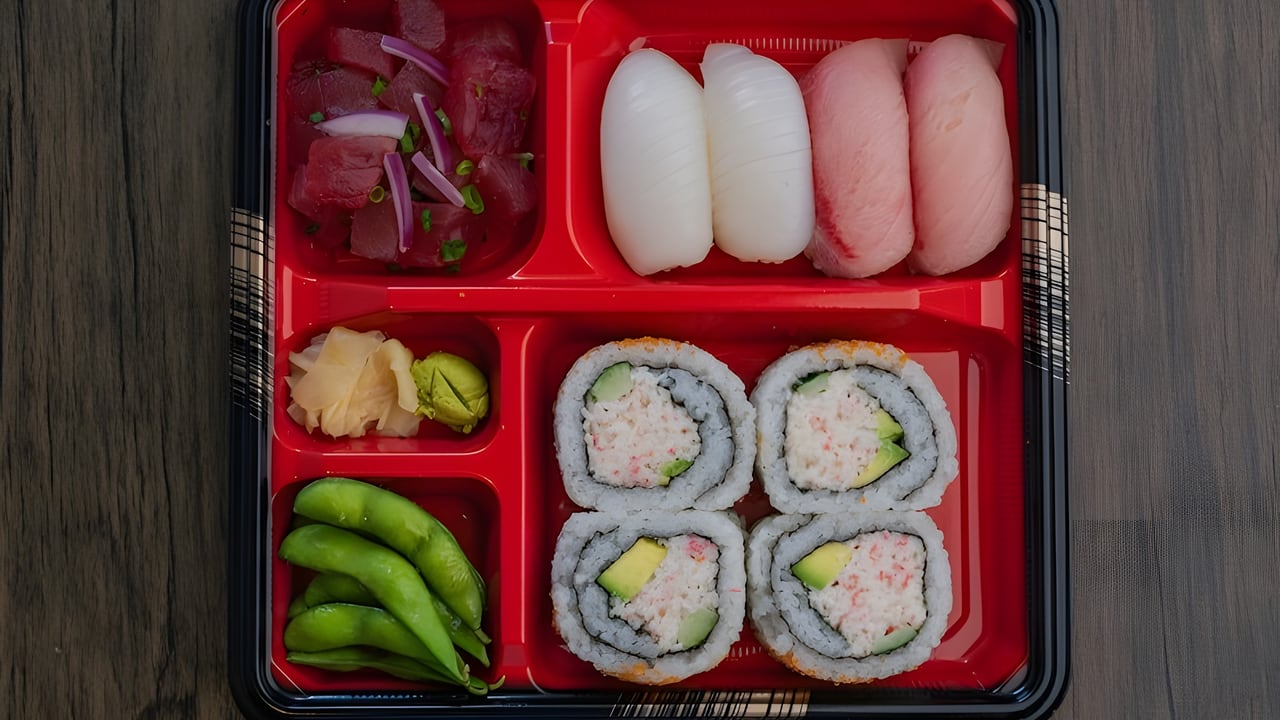
Ahi poke at Domo comes five ways: shoyu, spicy, wasabi, yuzu shoyu or onion. Same fresh ahi underneath, different finishes. Here is what the first four taste like and which bowl to build around it.
The styles
Shoyu is the baseline. A house shoyu sauce over the ahi, nothing else fighting for attention. It is the style to order if you want to taste the fish first and the seasoning second, or if you are choosing poke for someone who has never had it.
Spicy gets chili heat mixed through the ahi, then a finish of kabayaki sauce, a sweet, thick soy glaze that rounds off the spice. Order it with the kabayaki on, or ask for it left off if you want the heat without the sweetness underneath it.
Wasabi brings a clean, direct heat that sits differently than the spicy style’s chili. It clears the sinuses rather than building slowly, and it pairs well with fattier cuts of fish because it cuts through them.
Yuzu shoyu is the house shoyu with Japanese citrus through it. It lands lighter and brighter than plain shoyu without adding heat, which makes it the one to reach for on a hot day or alongside something rich. Domo prints it as its own bowl rather than a variation.
Onion is the fifth flavor, printed on both store menus beside the other four.
| Style | Flavor profile | Order it if |
|---|---|---|
| Shoyu | Light, savory, fish forward | You want the ahi to lead |
| Spicy | Chili heat, kabayaki sweetness | You like a sauce with body (ask to hold the kabayaki for less sweetness) |
| Wasabi | Clean, direct heat | You want heat that clears fast, not one that lingers |
| Yuzu shoyu | Shoyu with citrus lift, no heat | You want brightness rather than heat |
Which Domo bowl to build around each one
The Shoyu Poke Bowl at $16.95 is exactly what it sounds like, ahi in shoyu sauce over rice. It is the easiest starting point on the menu.
For heat, the Spicy bowl at $16.95 is straight spicy ahi finished with kabayaki sauce. Say the word if you want it without the kabayaki.
The Yuzu Shoyu bowl at $16.95 is the citrus one, and it is the bowl to order if shoyu has started to feel like the safe choice rather than the right one.
If you cannot decide, the Mixed Poke Bowl at $17.95 is Domo’s spicy ahi and onion ahi in the same bowl. It is the one to order for a table where nobody agrees on a style.
If you want poke but also want something cooling around it, the California bowl at $16.95 pairs your choice of ahi poke sauce with crab salad, cucumber and avocado, which softens whichever style you pick.
Want more than one fish in the bowl? Domo Special at $18.95 combines ahi, salmon and hamachi with onions and avocado, and you still choose the sauce.
Matching a style to the eater, not just the fish
Someone new to poke, or nervous about raw fish generally, usually does best with shoyu. It reads as familiar rather than aggressive, and it lets them taste clean, cold fish without a strong seasoning making the first bite the whole impression.
Someone who already orders their food spicy is a safe bet for the spicy style. Keep the kabayaki on for a first timer since it softens the chili, then let them ask for it off next time if they want more heat and less sauce.
Wasabi suits someone who wants heat but does not want sweetness or chili flavor riding along with it. It is also a good match with richer fish like hamachi, where a sharp, clean bite works better than a heavy sauce. Read more on how ahi, salmon and hamachi differ if you are choosing the fish as well as the sauce.
Yuzu shoyu is the one to suggest when somebody says they want poke but not a heavy sauce and not heat either. It is also the easiest of the four to eat a whole bowl of in the middle of the afternoon.
Ordering for a table that cannot agree
Do not force one sauce on a group. The Mixed Poke Bowl at $17.95 already puts two styles in one order, and most of the poke bowls let you name your sauce when you order, so a table of four can land on four different styles without four different arguments. If the table is bigger than four, look at how much poke to order for a group before you start picking sauces, since quantity is the harder problem at that size.
Next step
Pick a style, pick a bowl, and order ahead from Kahala or Pearl Kai. If you are still not sure, start with shoyu. It is the one that is hardest to get wrong.
More questions
Can I get spicy poke without the kabayaki sauce?
Yes. The spicy style is finished with kabayaki sauce, and it can be left off if you would rather have the chili heat on its own.
Which style is closest to plain sashimi?
Shoyu. It is dressed lightly enough that the fish is still the main flavor, which is why it is the style people default to when they are not sure what to order.
Is there an onion poke?
Yes. Onion is printed as a poke flavor on both store menus, beside yuzu shoyu, shoyu, spicy mayo and wasabi.
What this looks like at Domo
Every item below is on the current menu with its published price. See the full menu.
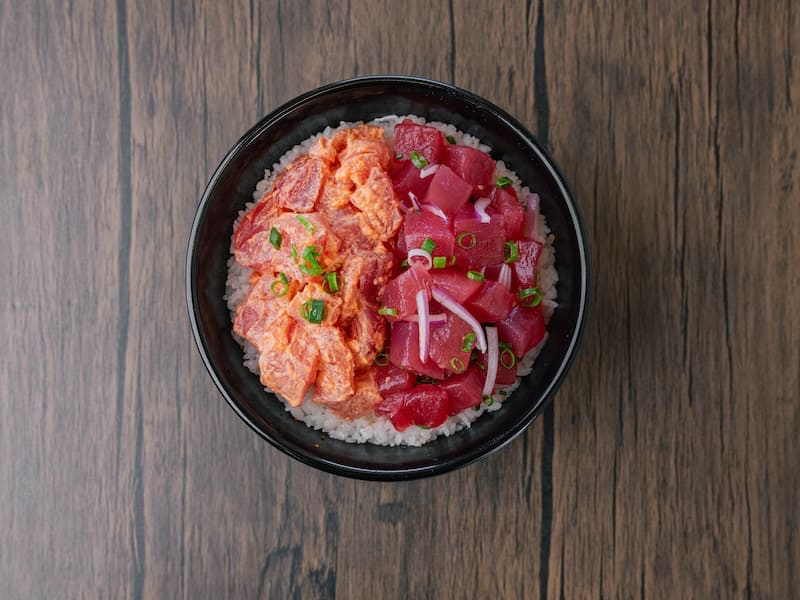
Spicy ahi and onion ahi in the same bowl, for when one sauce is not enough.
$17.95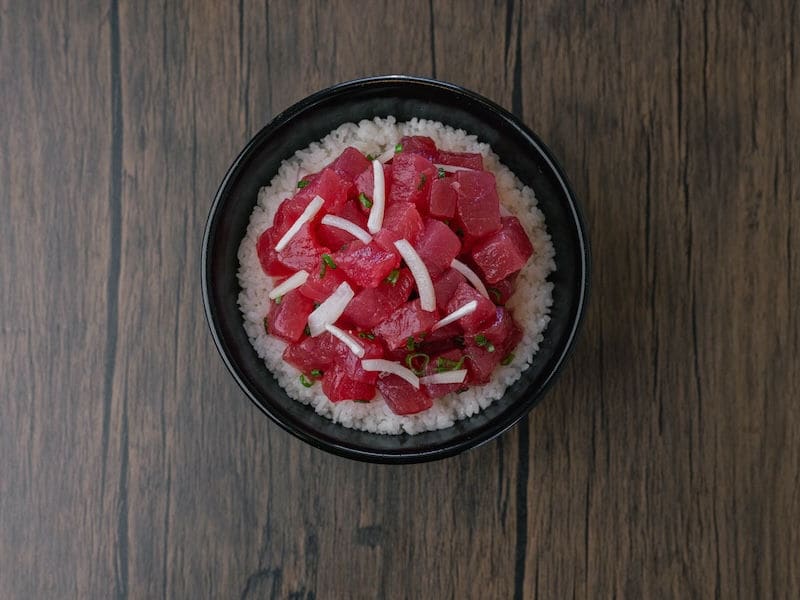
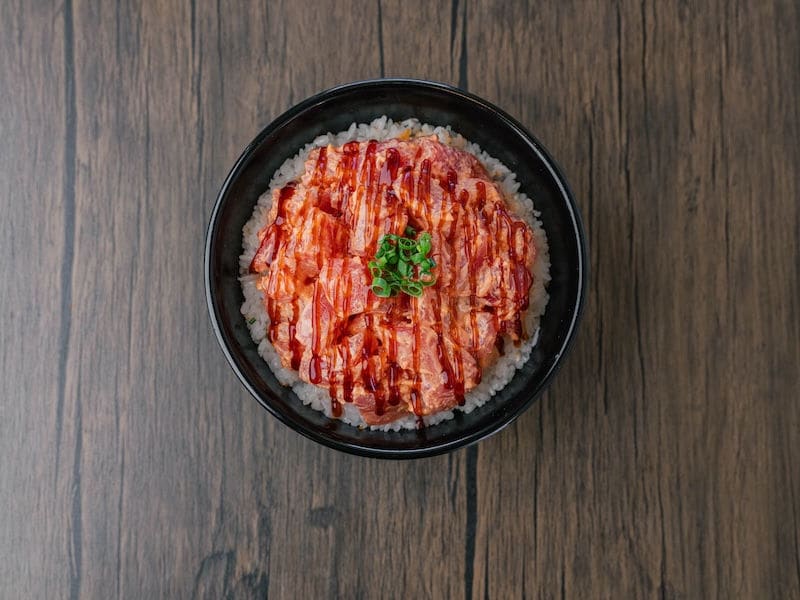
Fresh spicy ahi finished with kabayaki sauce. Ask and we leave the sauce off.
$16.95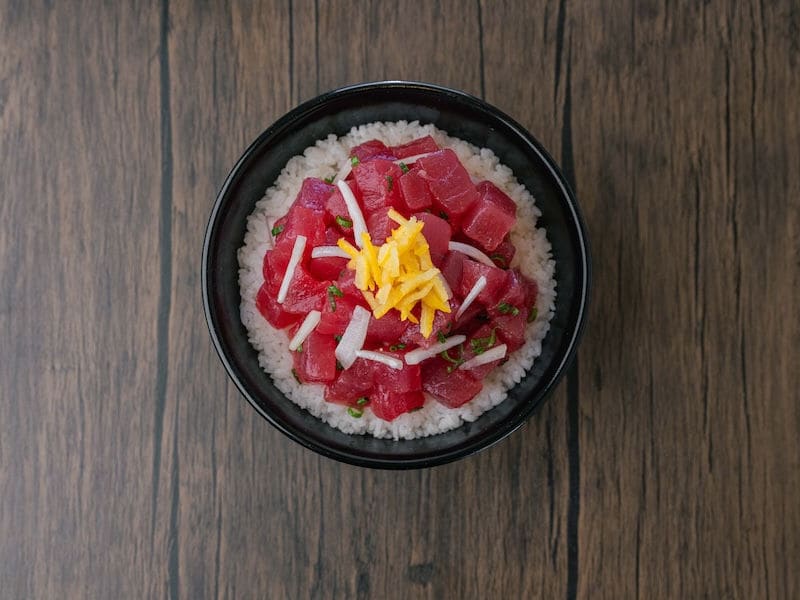
Japanese citrus and house shoyu over the fish you choose. Light and bright.
$16.95
What this looks like
Domo's own photography. More on Inside Domo
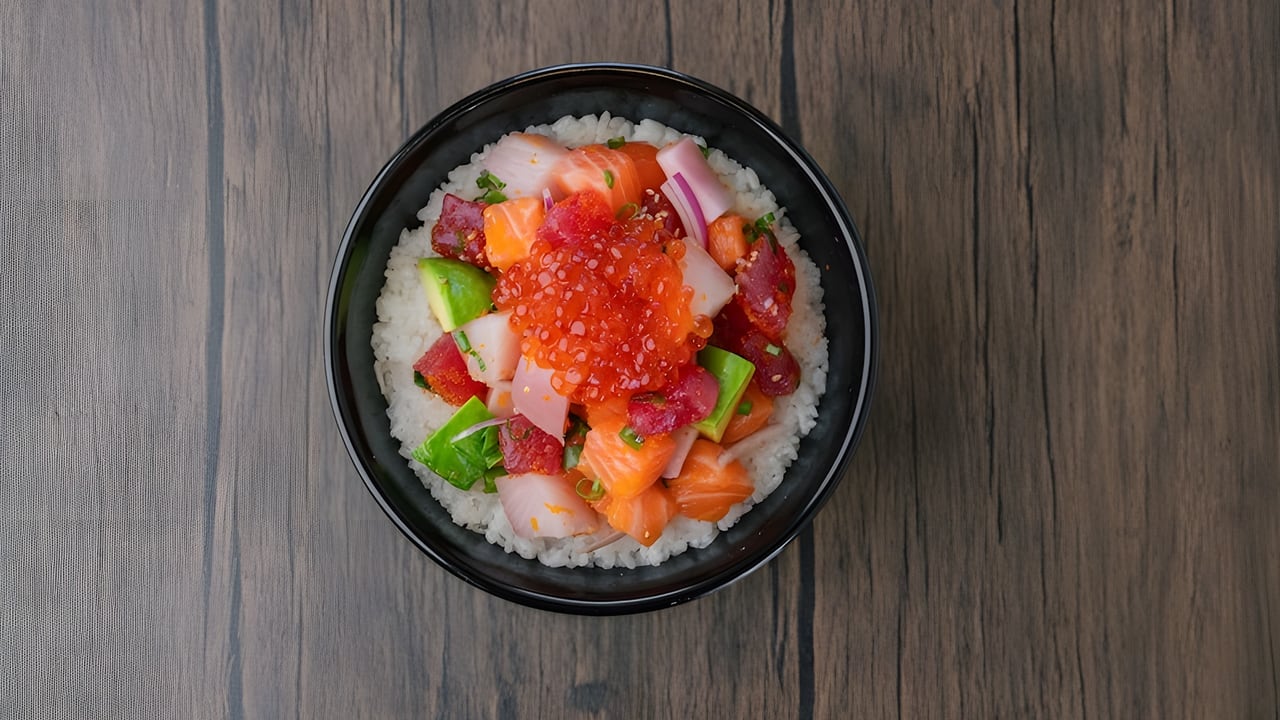
Three fish in one bowl
The Domo Premium: ahi, salmon and hamachi poke with onions, avocado and ikura over lightly seasoned sushi rice.
Related guides
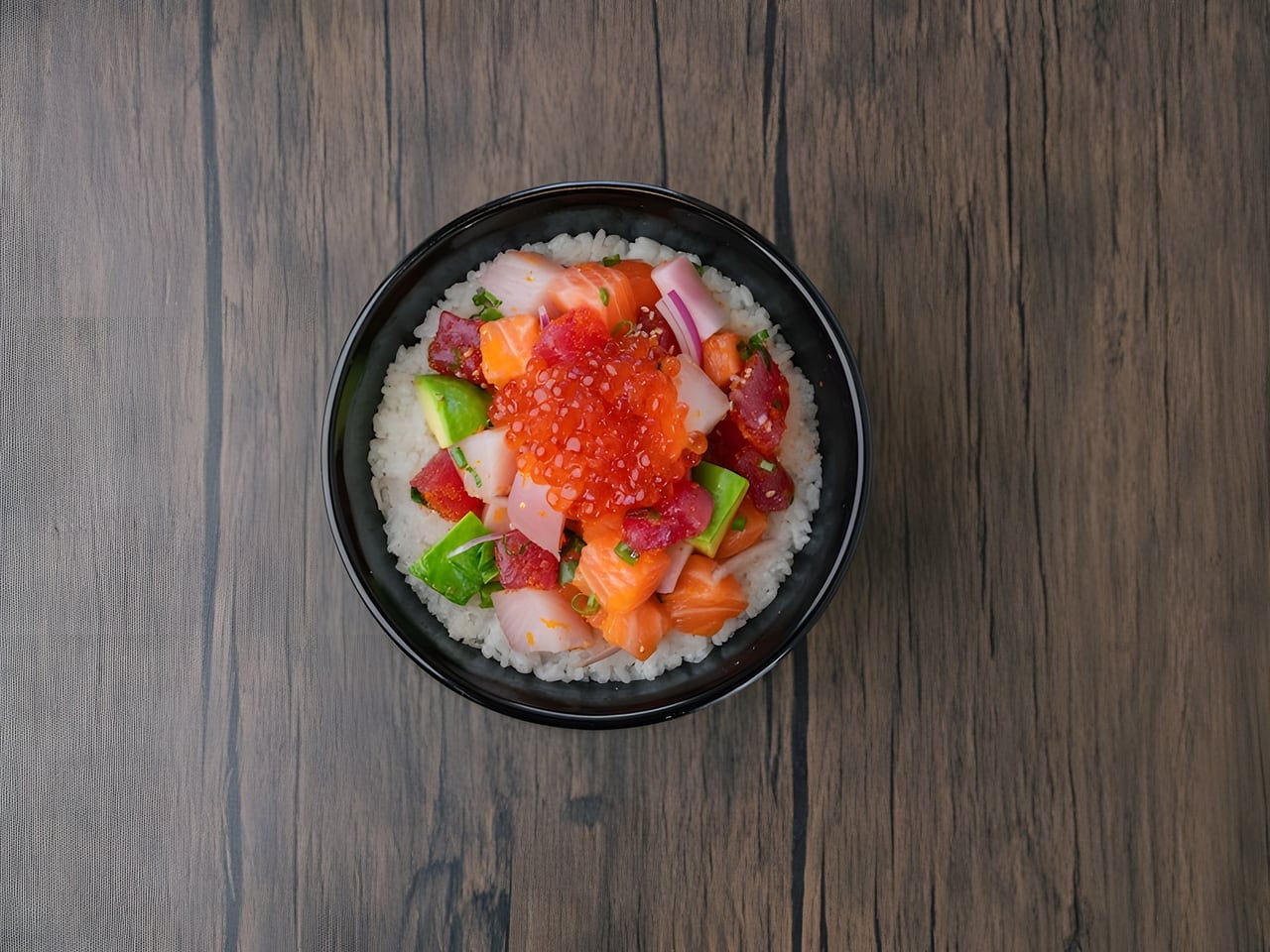
How Much Poke Should I Order for a Group?
Domo's poke bowls are built as single meals. Here is how to think about quantity for a crowd, and why platters usually make more sense than bowls.
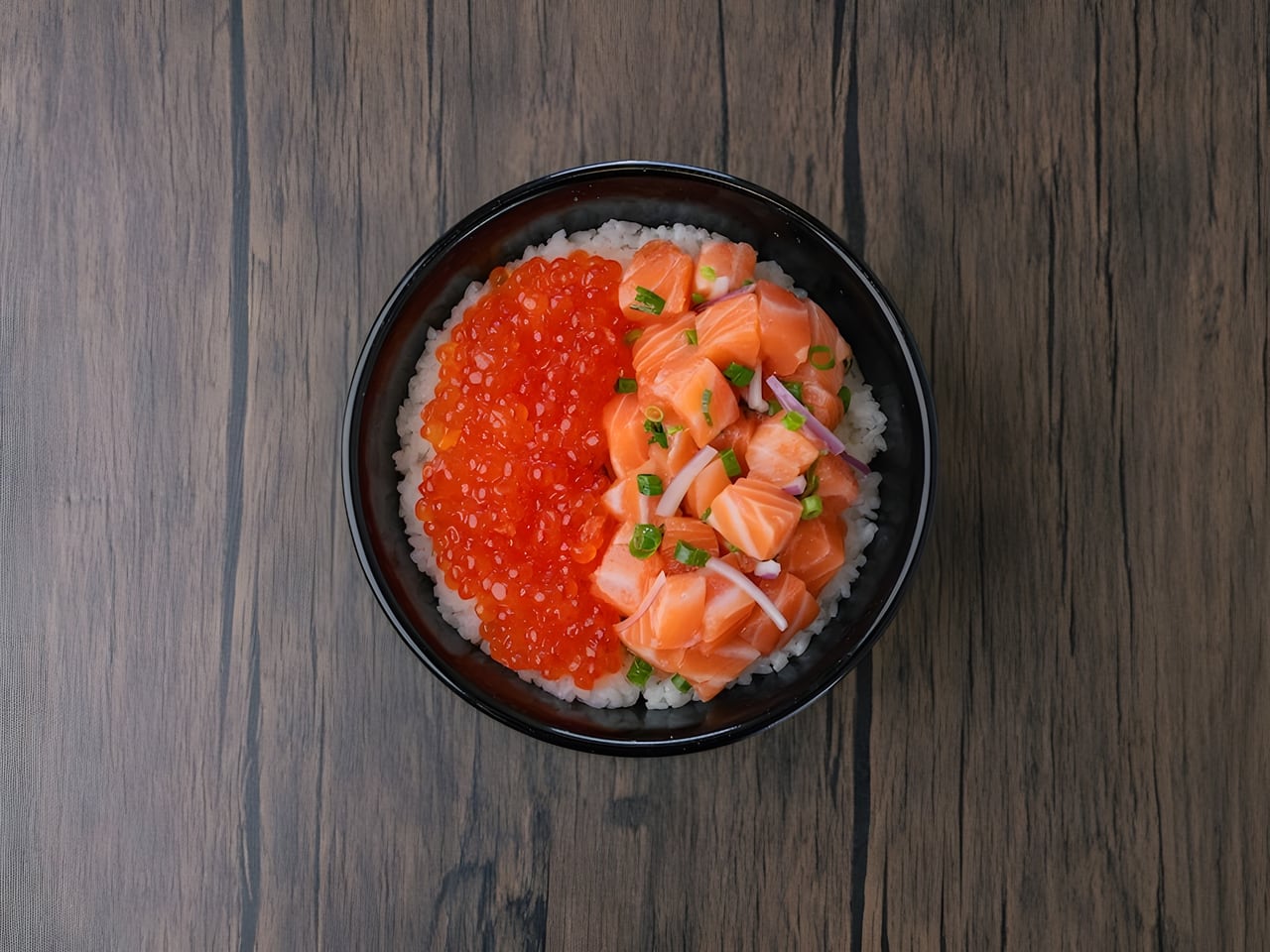
Ahi, Salmon and Hamachi: How to Choose
The three fish that carry Domo's menu, compared on texture, fat and flavor, plus what each one suits best raw, seared and in poke.
How Much Sushi Do I Need Per Person?
A starting number for 10, 20, 30 or 50 people, worked through with real platter piece counts, plus the adjustments that actually change the answer.