
Fresh fish
Bought at auction.Every morning.
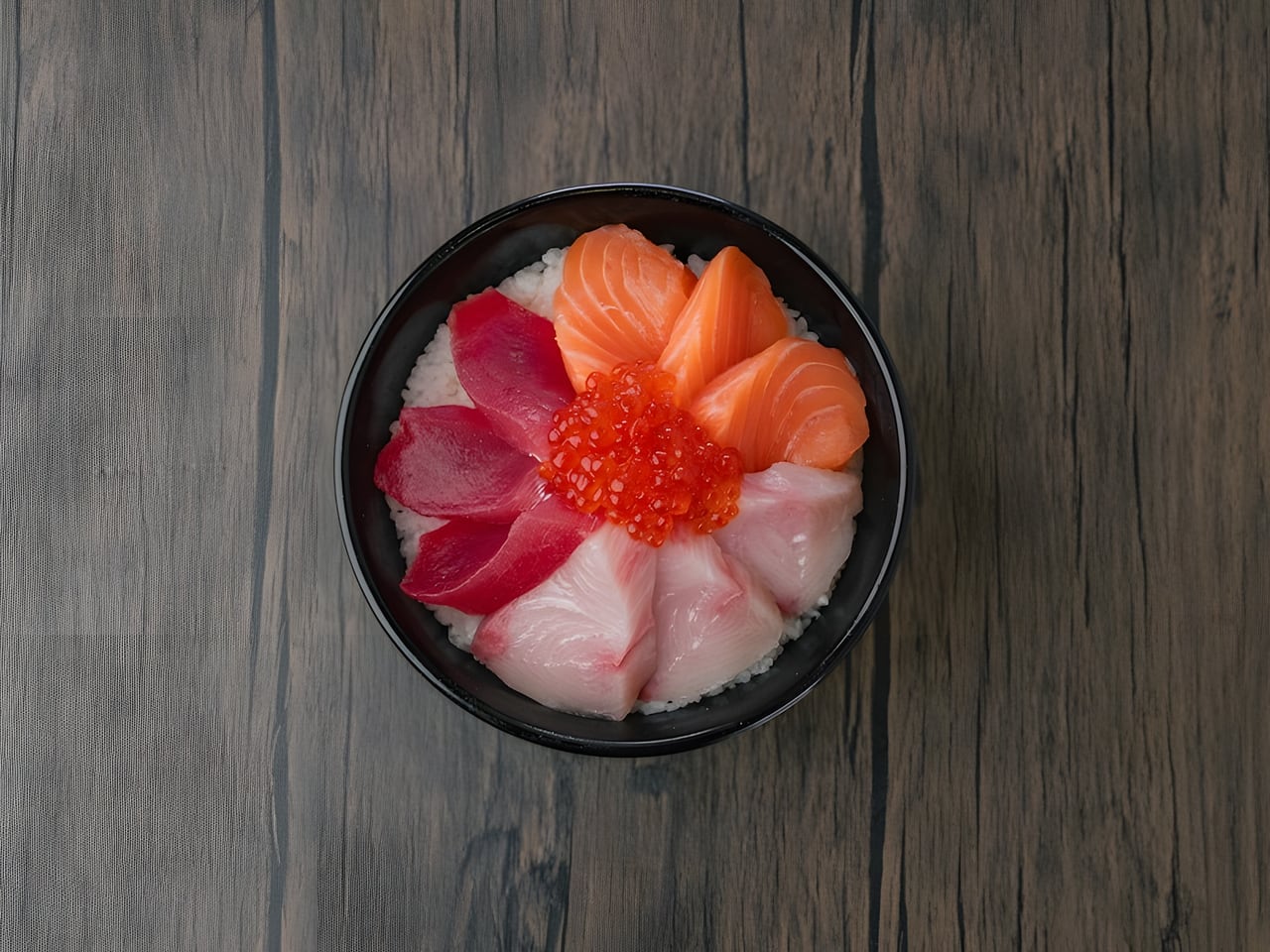
Domo buys fresh fish at auction daily, 100% Hawaiian ahi, and builds the menu around what is good that morning.
Fresh fish from auction dailySashimi grade is a standard, not a certificate
No agency issues a sashimi grade. There is no stamp, no inspector, no paperwork that makes fish officially raw ready. The term describes a judgment the seller makes, which means it is only as good as the seller.
Which is why the auction matters more than the phrase does. The judgment is made standing in front of the fish: what gets bought, what gets passed on, how much gets trimmed away, and how close to service it gets cut. A daily trip is what makes that judgment possible, because you cannot choose between fish you did not go and look at.
Want to know where a particular fish came from today? Ask at the counter.
The fish
What you will see on the menu
Three run constantly. The rest come and go with what is good, which is the point of buying daily rather than to a list.
- AhiLean and clean with a mild sweetness. The base of most of the poke on the menu and the reference point for everything else.
- SalmonRicher and softer, higher in fat, which is why it takes so well to being torched in the aburi items.
- HamachiJapanese yellowtail. Buttery with a firmer bite and a finish that hangs around longer than ahi.
- Hokkaido scallopSweet and delicate. Appears on the Premium Nigiri and Hotate platters and in the seared scallop bowl.
- Uni and ikuraThe premium end. Uni is rich and briny, ikura pops and salts everything around it. Both move with what comes in.
- Unagi, ebi, ika, masagoThe cooked and cured range that rounds out nigiri sets and keeps platters interesting for mixed groups.
Preparation
Nothing is prepared until you order
Poke is cut into cubes and mixed with sauce when you order it. Sashimi is sliced and left alone. Aburi nigiri is torched on top, which renders a little fat and adds a light smokiness, then finished with kabayaki sauce.
Wasabi is always served separately rather than spread under the fish, so nobody at your table gets a surprise.
Handling sushi after pickup
Sushi is at its best within a couple of hours of being made, and it does not improve overnight. Three habits cover most of it:
- Keep it cold and covered from pickup until it goes on the table.
- Carry platters flat. Sushi that slides is sushi that stops looking like sushi.
- Serve the same day, and do not leave a platter sitting out through a long party.
Refrigeration is a tradeoff worth knowing about: it keeps fish safe and firms up the rice, which changes the texture. For a long event, ask us about splitting the order into two pickup times so the second wave is as fresh as the first.
Full detail in how to handle sushi after pickup.
Order it
Where the fish shows up first
Four items where the fish is doing all the work and there is nowhere for it to hide.
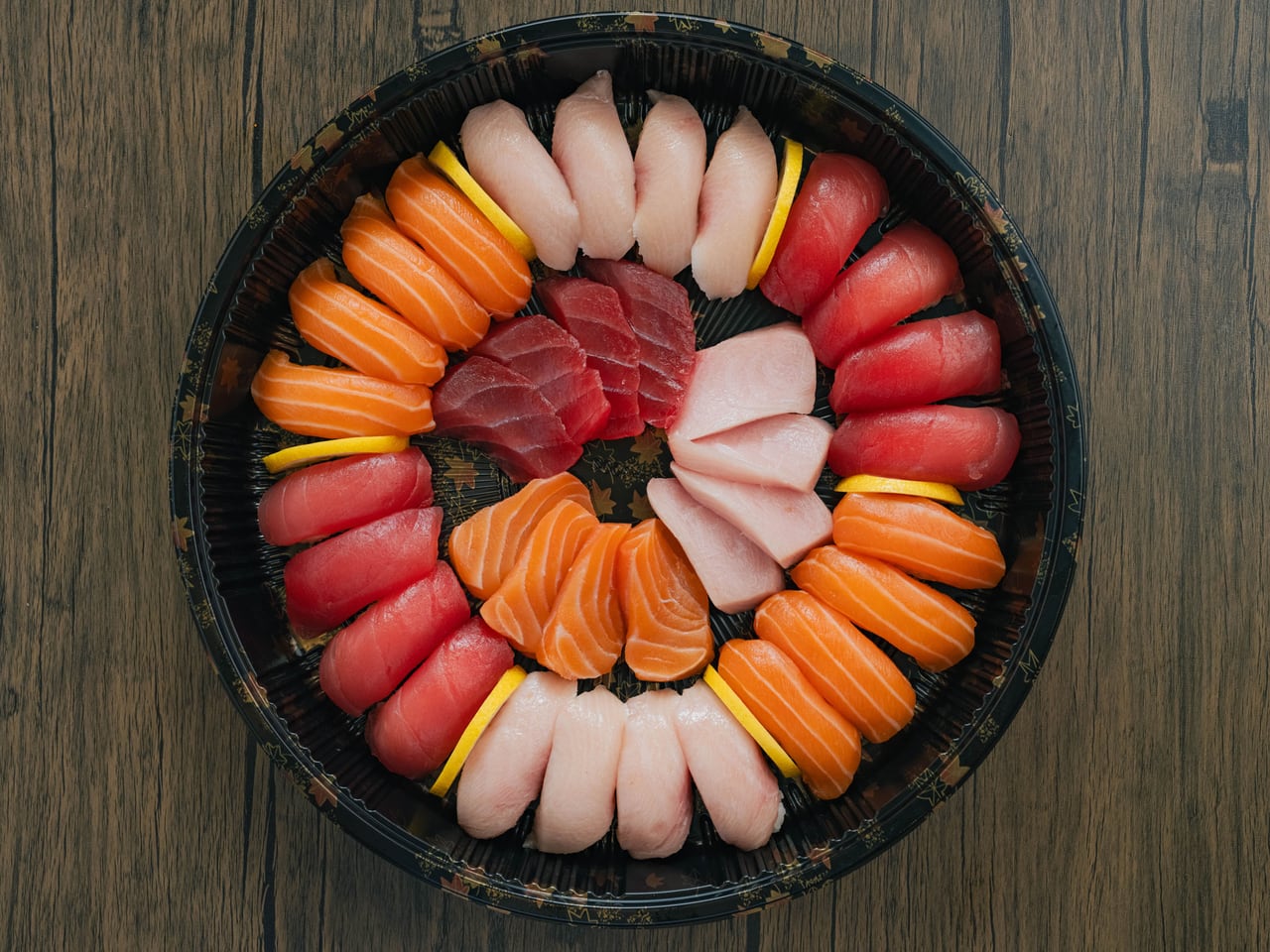
Menu number #5Nigiri & Sashimi Trio Platter
Ahi, salmon and hamachi on one platter, served both as nigiri and as sashimi.
$81.95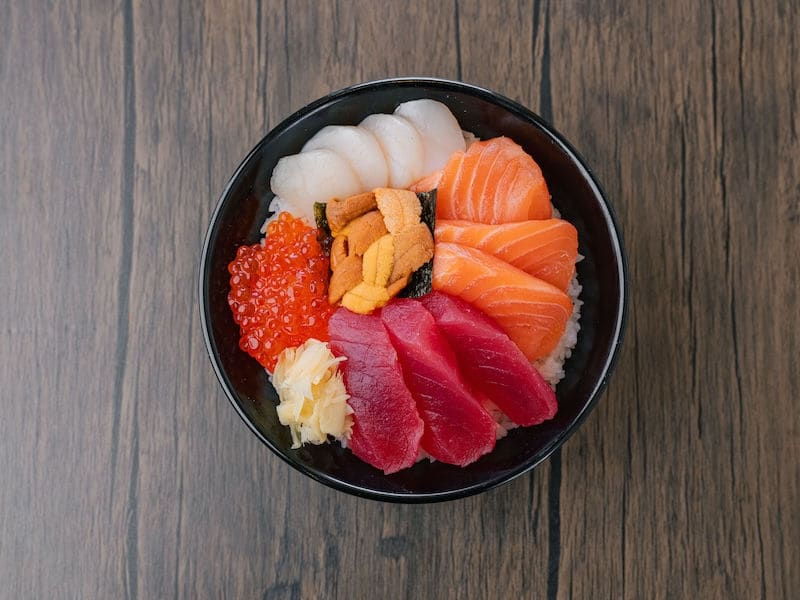
Ahi, salmon and Hokkaido scallop sashimi with premium Hokkaido uni and ikura, on sushi rice.
$28.95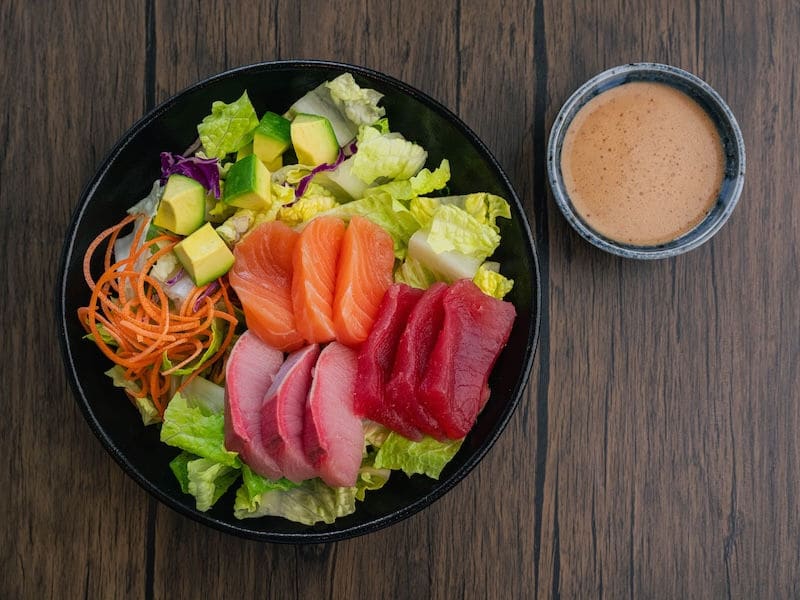
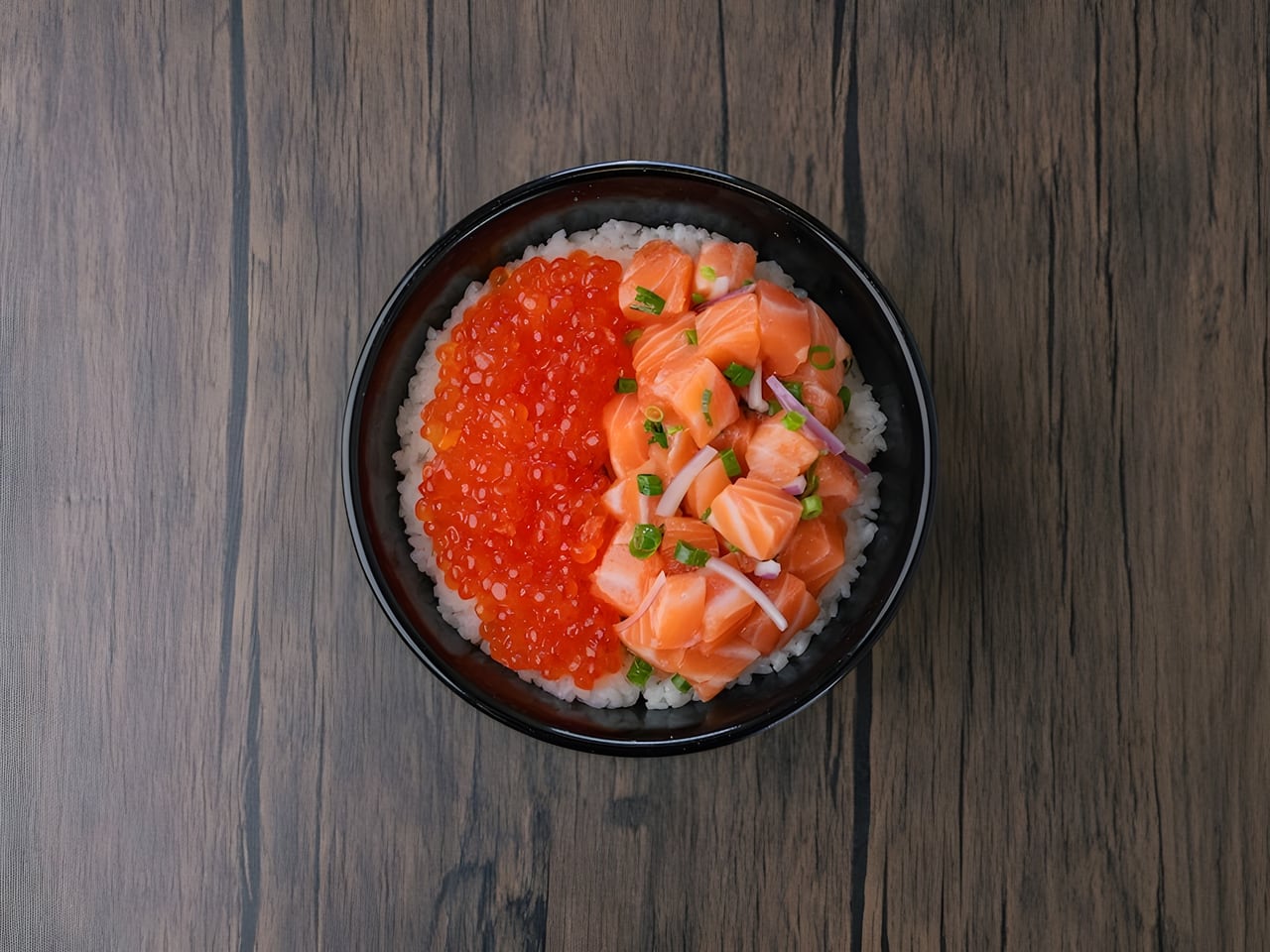
Ahi, salmon and hamachi sashimi over greens with avocado and house sesame soy dressing.
$21.95
Go deeper
Fish guides
What Does Sashimi Grade Fish Mean?
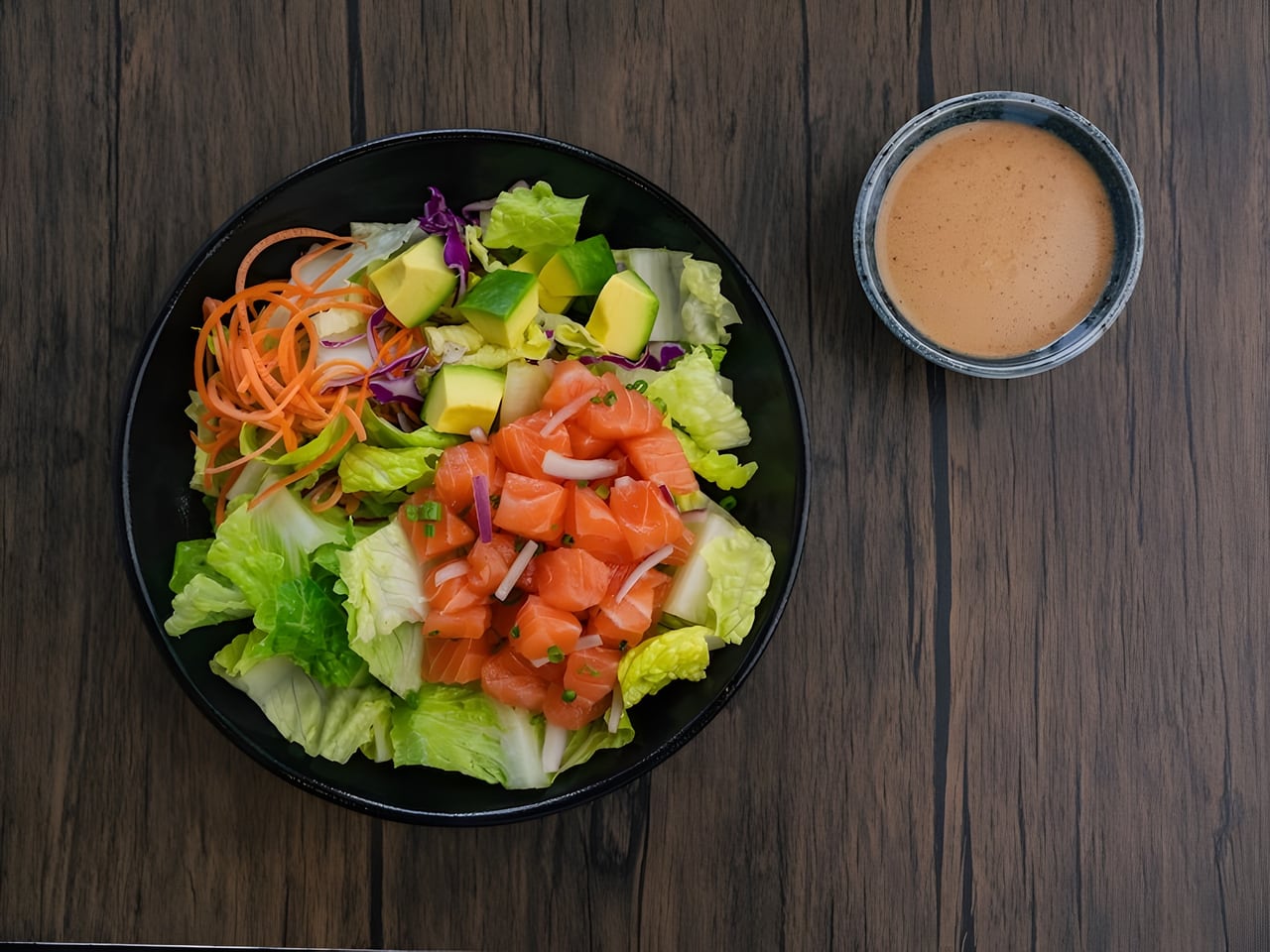
There is no government agency that grades fish for raw eating. Here is what the term actually describes, and what a serious operator does to earn it.
How to Handle Sushi After Pickup
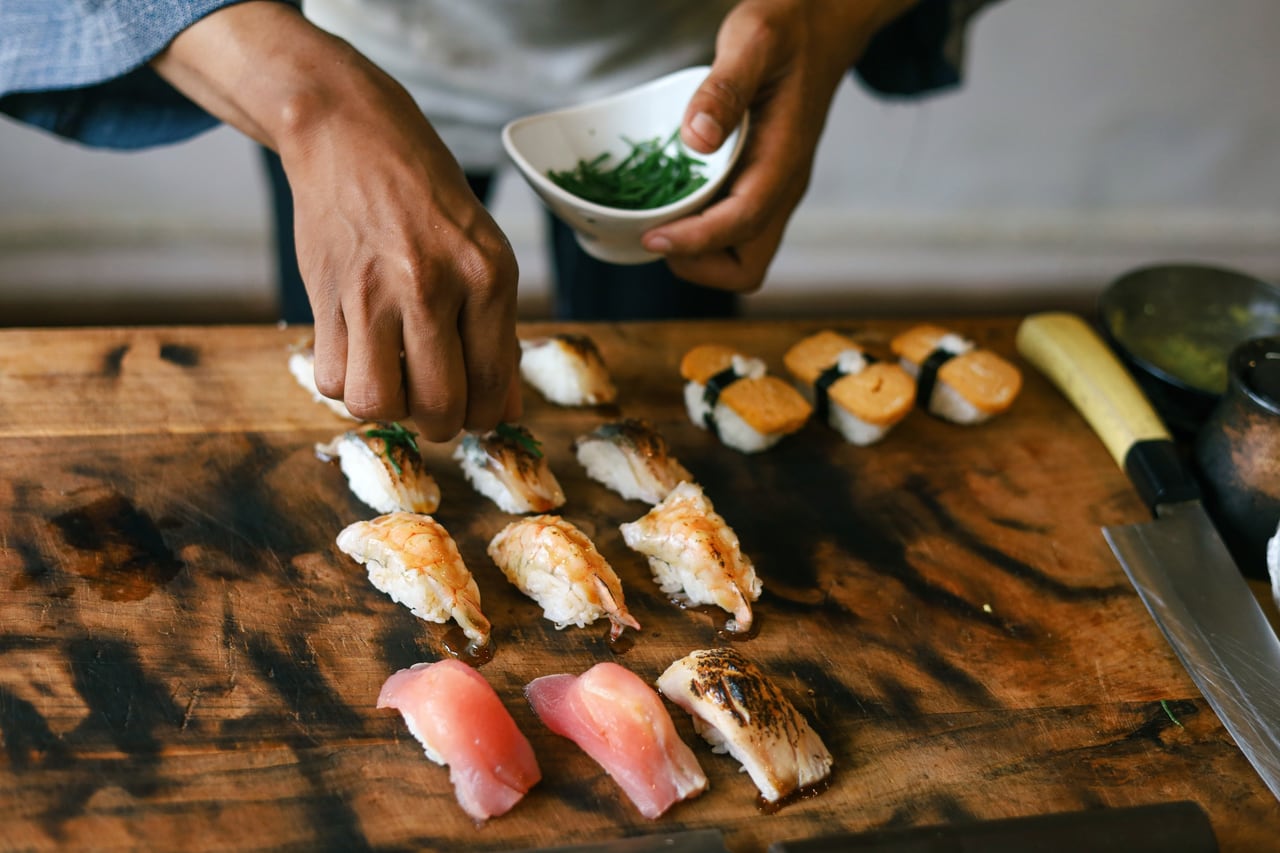
Cold, covered and eaten the same day. What to actually do with a platter between the counter and the table, and why the rice suffers first if you get it wrong.
Ahi, Salmon and Hamachi: How to Choose
The three fish that carry Domo's menu, compared on texture, fat and flavor, plus what each one suits best raw, seared and in poke.
Who buys it
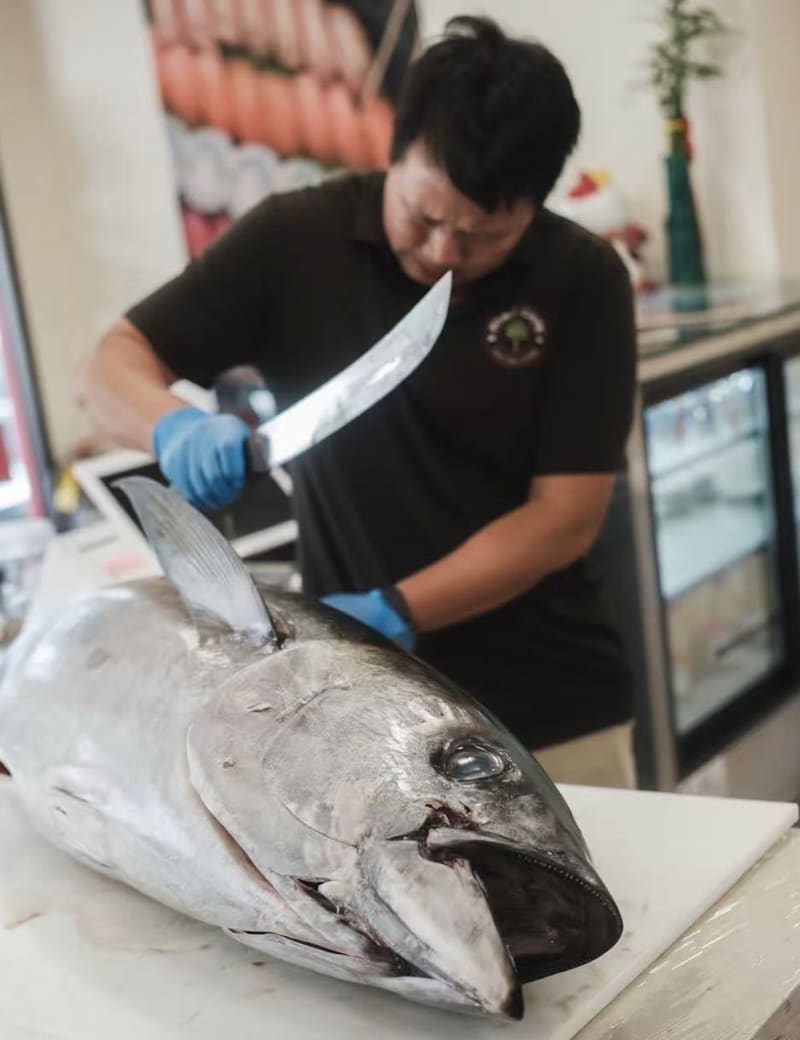
Two people, at the auction, before the shop opens
The fish on this page is chosen by the people who run the shop, in person, every morning the stores are open. That is the whole reason the menu moves with the season and the reason a few items ask you to call first.
Where it ends upSee the sashimi See all poke See all sushi
Fish questions
Where does Domo get its fish?
Domo Cafe sources fresh, sashimi-grade ahi from the local auction and breaks it down in-house for our sushi, poke, and sashimi. We also source whole air-flown salmon, premium uni and scallops from Hokkaido, and, when available, fresh bluefin tuna from Japan and Australia. Domo's printed menu also states the ahi is 100% Hawaiian ahi. That daily buying is also why a few items ask you to call ahead: they are built around whatever came in.
Is sashimi grade an official grade?
No. No government agency issues a sashimi grade or sushi grade. It is a standard a seller sets for the fish they are willing to serve raw. Domo has used the line on the front of the shop for years, and the full explanation is here.
What is the difference between sushi and sashimi?
Rice. Sashimi is fish on its own, sushi means the rice is part of the dish. Longer answer.
What is aburi?
Nigiri that is torched on top before it reaches you. At Domo the aburi items are finished with kabayaki sauce, and you can ask for it left off. More on aburi.
How should I hold sushi between pickup and the table?
Cold, covered and eaten the same day. Handling guidance.
Can I eat raw fish while pregnant or immunocompromised?
That is a question for your doctor, not for a restaurant website. If raw fish is off the table, the cooked side of the menu is real: the California platter, tempura rolls, teriyaki chicken, unagi and the udon bowls.
Why do some items need a call first?
Because they depend on what came in. The Ashley Kaisen Don is built around Hokkaido uni, scallop and ikura, so the store confirms availability before you order it online.
Taste it
Sashimi, poke or a platter
Always sashimi grade fish for everyone to enjoy. Order from Kahala or Pearl Kai, or plan a platter for a group.