
How far in advance should you order catering?
There's no fixed lead time for catering. Here's how to plan, what fills up first, and why booking the date matters more than guessing a number of days.
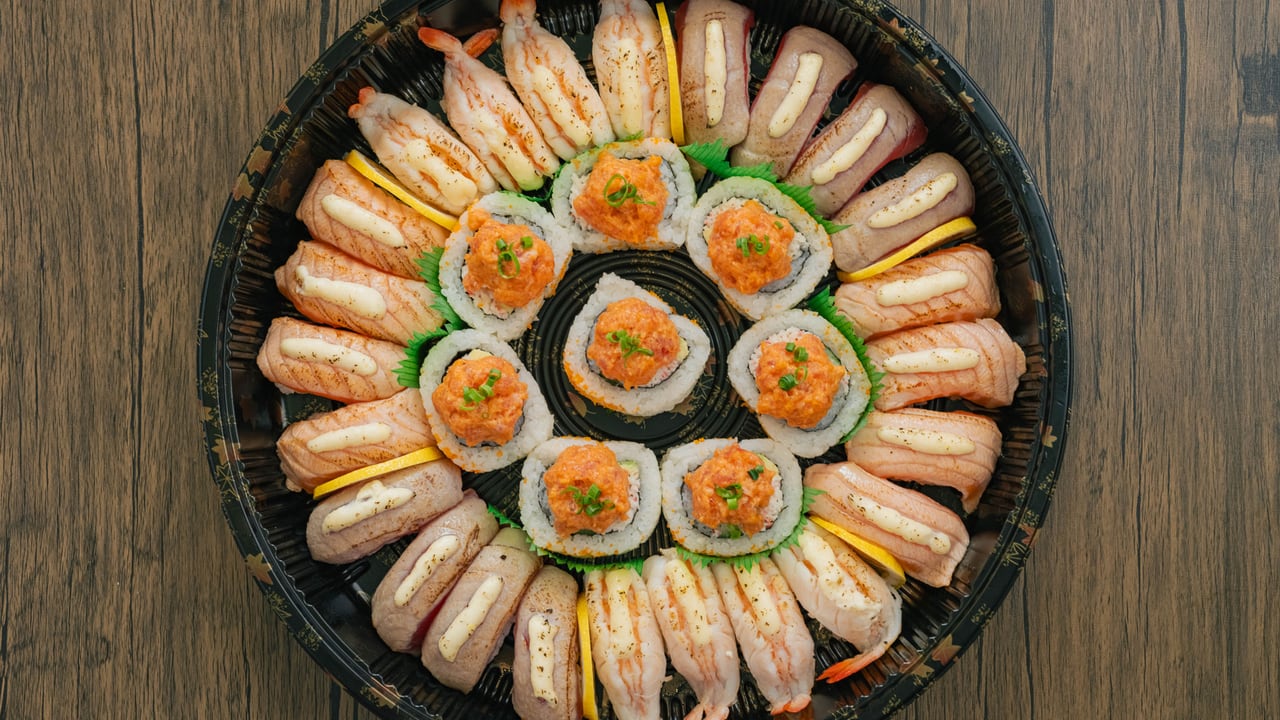
There’s no fixed number of days. Book the date as soon as you have it, then refine quantities as the event gets closer. Every platter is made to order, so what matters is what else the kitchen already has on that day.
Why there isn’t a single number
A lot of catering guides will tell you “72 hours” or “one week” with total confidence. A fixed rule doesn’t fit a kitchen whose busy days are very busy and whose quiet days are quiet. If we told you three days was safe and the kitchen was already booked solid that week for a graduation, you’d find out the hard way. Instead: order online early for the date you want, and call the store you are picking up from if you need to check whether a date is workable.
What fills up first
Graduation season, May and June on Oahu, is the busiest stretch of the year for sushi catering. Big headcounts, multiple parties on the same Saturday, and everyone wanting pickup around the same early afternoon window. Holidays behave the same way: Thanksgiving, Christmas, New Year’s, any weekend near a three day holiday. If your event lands in one of those windows, that is the strongest reason to ask early, not because of a rule but because of simple math: only so many platters can be built in a day.
A Tuesday office lunch in a quiet month has much more room. The planning principle is the same either way. It’s just that the cost of waiting is higher when everyone else is booking the same weekend you are.
Weddings and receptions sit in their own category too. They tend to get planned months out regardless of catering, so the food request usually rides along with the rest of the planning timeline rather than arriving last minute. If sushi is part of a reception, folding the catering conversation into your broader vendor planning is the easiest way to make sure the date is covered before anything else fills the calendar around it.
Book the date, then adjust the order
The single most useful thing you can do is separate two decisions: locking in your date, and finalizing your order. Get the date confirmed first, even with a rough headcount and a guess at which platters you want. You can usually tighten the order, add a platter, swap the California Roll Platter in for guests who don’t eat raw fish, adjust the count, as the event gets closer and your RSVPs settle. What’s harder to fix late is the date itself, especially during a busy stretch.
This is the same approach we recommend in our per person planning guide: plan for the number you’re confident about, then ask what can be added later. Adding is usually easier than the date moving.
It also means an early request doesn’t have to be a finished order. “We’re planning a graduation party for around fifty people on this Saturday in June, still working out exact numbers” is a complete, useful message. It gets your date into the conversation before the calendar fills, and the rest gets sorted out as you go.
Made to order means the kitchen’s schedule is the real constraint
Nothing at Domo sits pre-made in a case waiting for a catering order. Every platter is built for your pickup, which is exactly why quantities can flex right up until close to the date, but also why the honest constraint isn’t a lead time policy, it’s how much the kitchen can build on a given day. A request two weeks out during a slow week and a request two weeks out the Saturday before graduation are not the same request. We can only tell you which one you’ve got by checking.
What actually gets you an answer
Send the date, the pickup location (Kahala or Pearl Kai), a rough headcount, and what kind of event it is. We’ll tell you straight away whether that date is open and what we’d recommend ordering for it. That’s a faster and more accurate path than working backward from a general rule.
Next step
If you have a date, order online now and reserve the pickup time. The earlier the order is in, the more flexibility there is on both sides.
More questions
What's Domo's official lead time for catering orders?
There isn't a fixed number of days. It depends on what the kitchen already has booked for your date, so order online as early as you can, or call the store and ask about that specific day.
Is it too late to ask if my event is next week?
Send the request anyway. Made to order means the answer depends on what else is already on the kitchen's schedule for that day, not a fixed cutoff. The worst outcome is finding out the date doesn't work, which is better than not asking.
Does booking early lock in my exact order?
It locks in the date. Quantities, and which platters, can usually be adjusted closer to the event as your headcount firms up. Booking the date first is what matters most, especially in graduation season and around holidays.
What this looks like at Domo
Every item below is on the current menu with its published price. See the full menu.
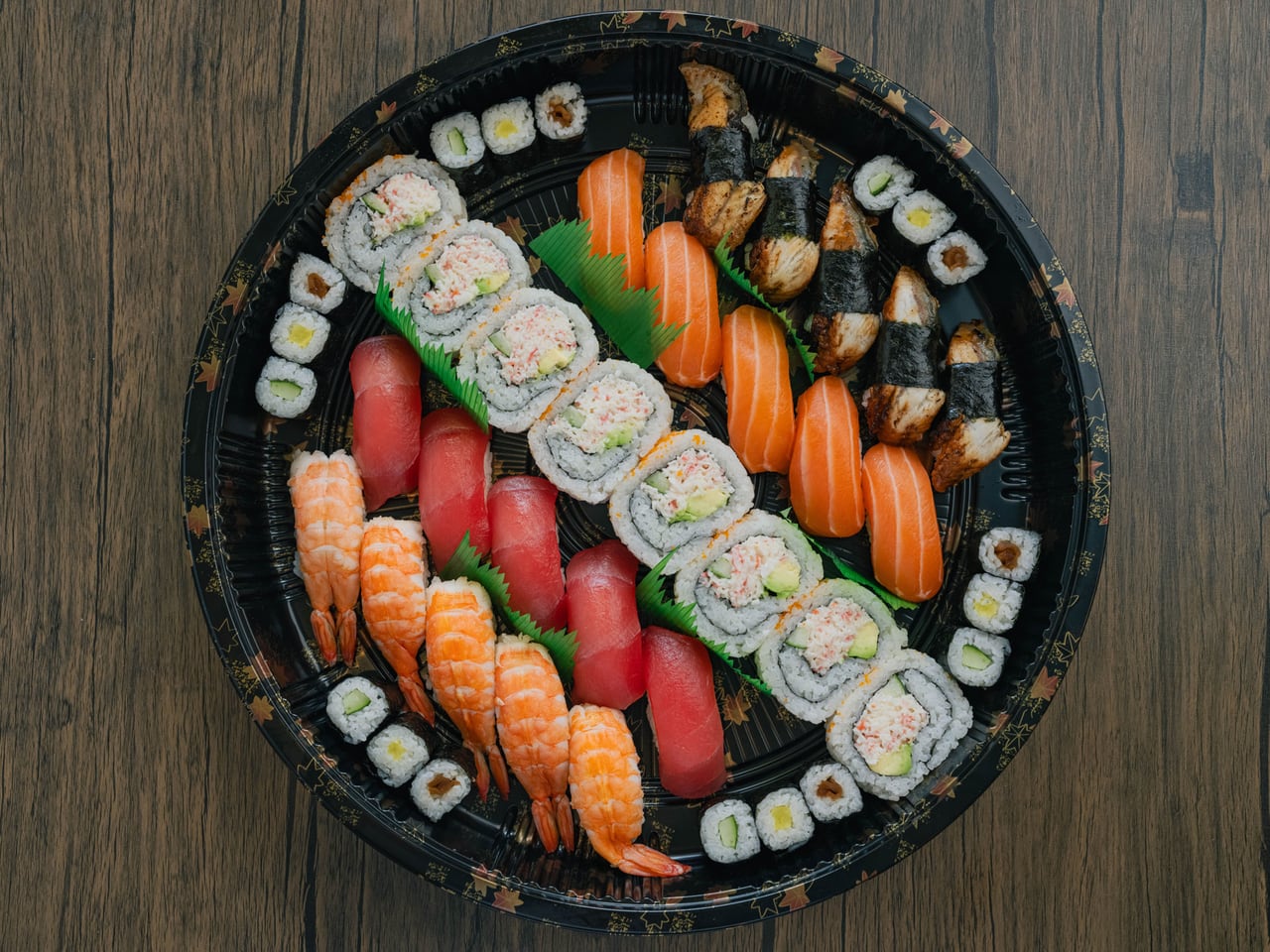
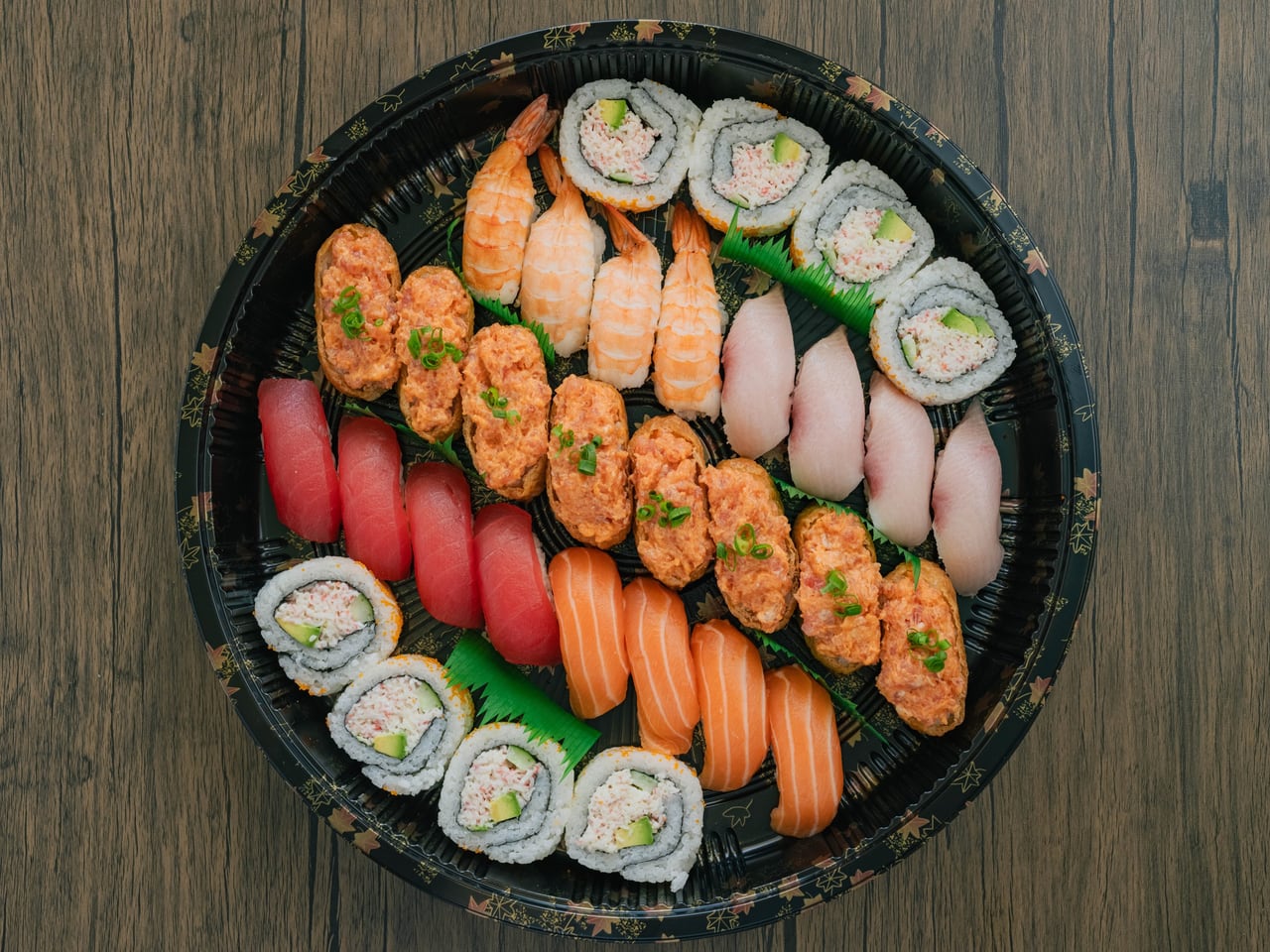
Menu number #4Mixed Combo Platter
Forty six pieces: ebi, local ahi, salmon and unagi nigiri, California roll and assorted hosomaki.
$61.95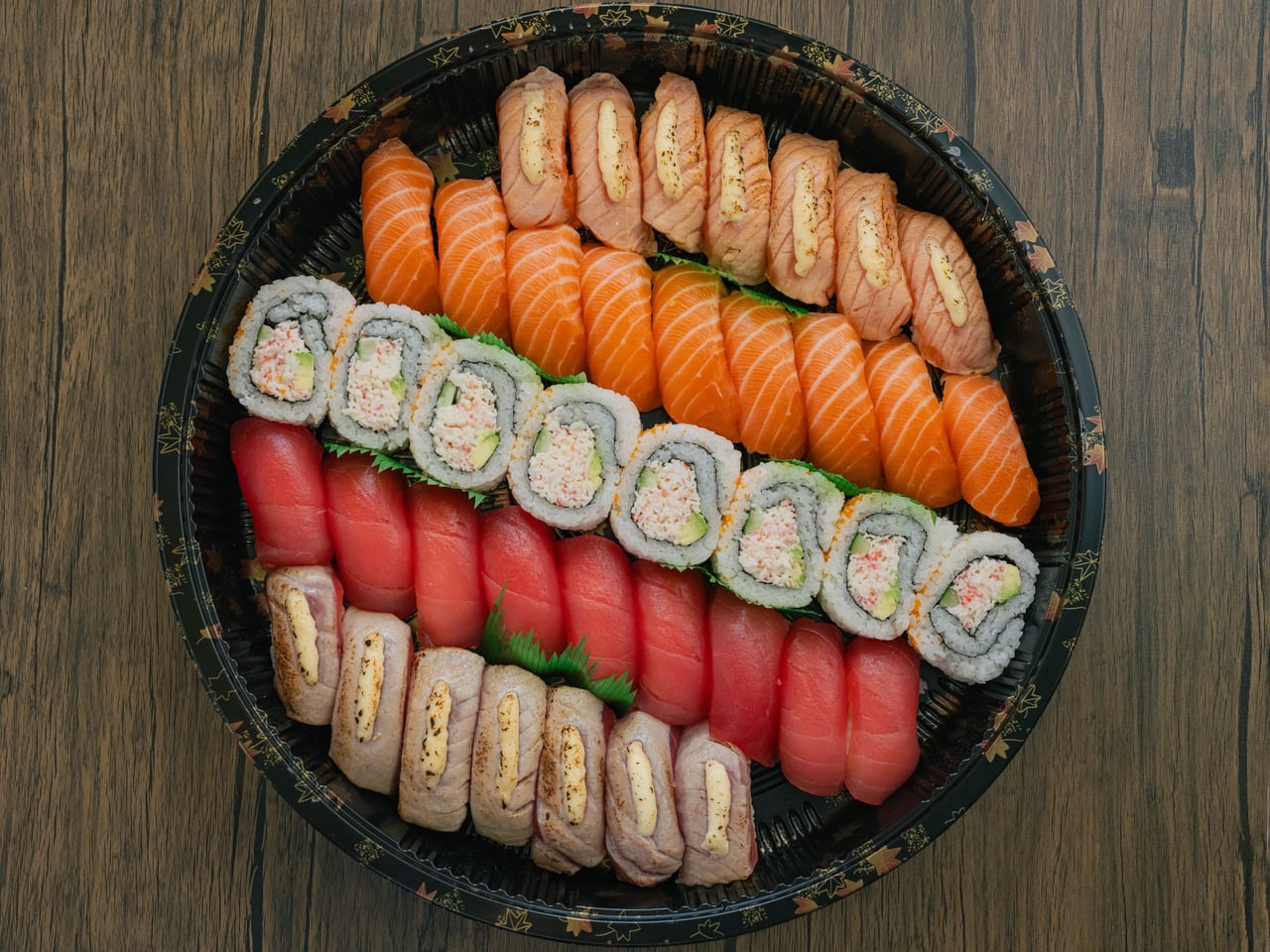
Menu number #11Kazoku Sushi Platter
Forty pieces of ahi and salmon nigiri, half of it torched garlic, with eight California roll.
$76.95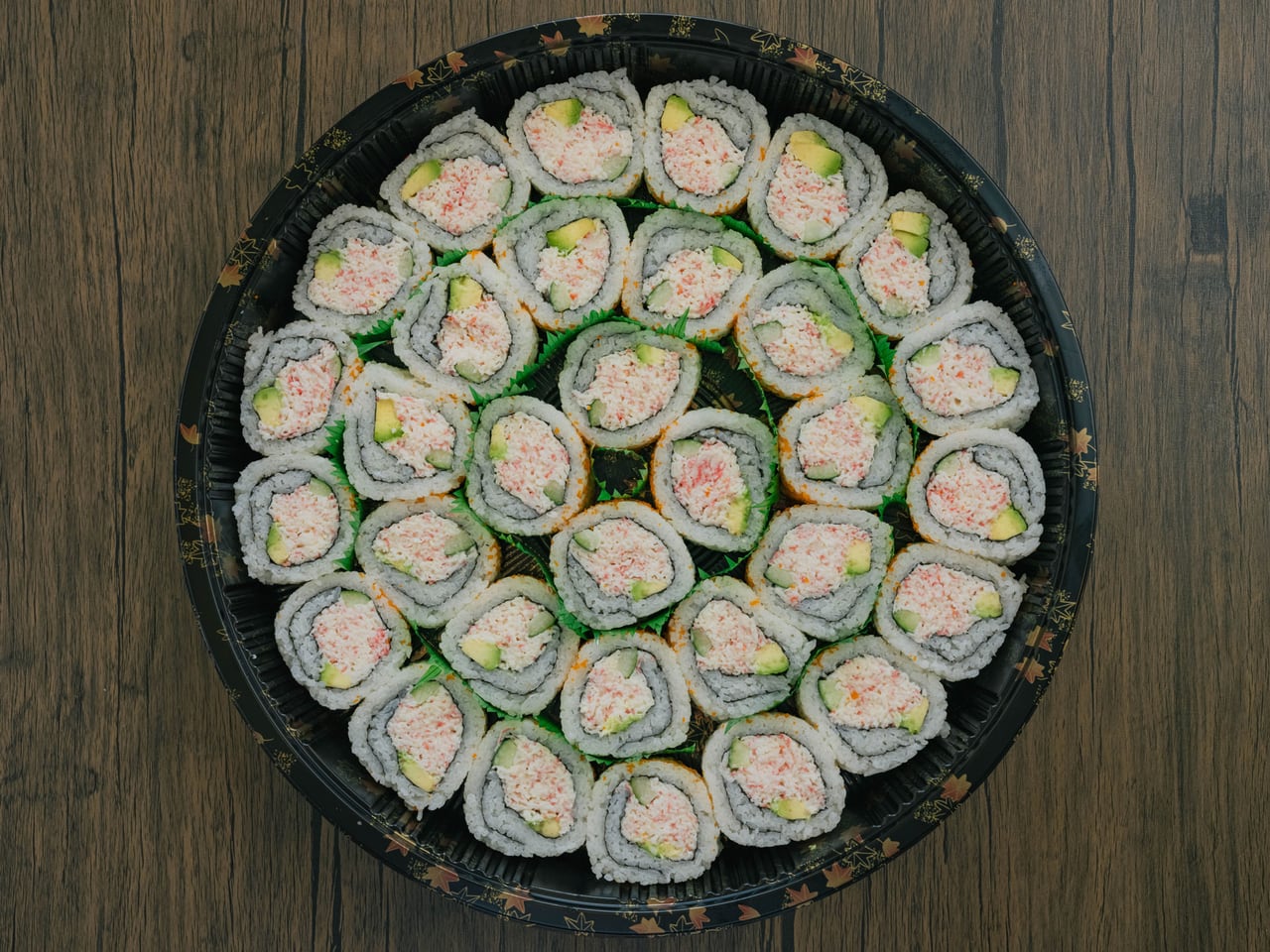
Menu number #7California Roll Platter
Thirty two pieces of California roll, so a table that skips raw fish is covered.
$56.95
Related guides
How Much Sushi Do I Need Per Person?
A starting number for 10, 20, 30 or 50 people, worked through with real platter piece counts, plus the adjustments that actually change the answer.
Planning Food for a Graduation Party
How to plan a graduation party menu backward from the date, with headcounts that grow, mixed generations, cooked coverage and split pickup times.
How to Choose a Sushi Platter
A decision guide to Domo's sushi platters, sorted by group makeup, raw versus cooked, piece count and price, with real names and a live comparison table.